Classroom Mangement Plan
Professionalism
As a devout Christian, I prioritize God in my decision-making process, as He is the light that guides our path. As educators, it is our duty to embody Jesus' teachings by living, acting, and loving as He did. We are called to serve others, including our students, families, and communities, and shape society according to the principles of His Kingdom (G.C.U, n.d.). To maintain professionalism, I will make sure to be punctual, have good attendance, and maintain a positive attitude in the school setting. I will treat myself, my colleagues, students, and property with respect and promote the Model Code of Ethics for Educators, which emphasizes the importance of respecting each student's dignity, worth, and uniqueness (n.d.). I will work collaboratively with parents, guardians, communities, and other professionals to foster learners' growth and development. Communication with parents will be timely and respectful, always keeping the student's best interests in mind. Advocating for equitable educational opportunities and participating in school and professional learning communities are critical to my role as an educator. I will remain active in school and engage in professional development opportunities to continue my growth and better serve my students. As teachers, we have the power to impact lives, change the world, and shape the future, and I am committed to doing my part.

Student Engagement
Academic success starts with student engagement. Student engagement means students are excited and motivated to attend school and learn. It means students participate in learning and demonstrate a positive attitude (Game, (n.d.). Motivated and engaged students tend to perform better academically and behave better than unmotivated and unengaged students (Pearson, (n.d.).
There are three types of student engagement behavior: emotional, cognitive, and The three engagements are vital for deep, meaningful learning:
-
Behavioral means students behave, follow instructions, work carefully, and participate in discussions.
-
Emotional and relates to student emotion; this means students are happy to be at school, alert, and interact positively with peers.
-
Cognitive means students' involvement in asking questions, thinking deeply, and completing assignments.
Teachers play a vital role in motivation and engagement. Classroom rules and setting expectations foster active engagement in learning, self, and positive social interaction. Teachers must implement procedures from day one and be consistent all the time. Expectations and procedures should be discussed daily with students until they know and establish a routine. However, teachers need to set a positive tone when discussing expectations and procedures and explain that rules will help us have an enjoyable class where every student can learn while respecting others (Evertson, Emmer & Poole, 2022). Student involvement is vital when discussing rules and expectations. Have students devise rules, make a contract using the rules students came up with, and have the students sign the agreement as a way of acknowledgment.
Classroom environments play an important role in motivating students to engage and learn. The classroom must feel welcoming and inviting to all students. Students must feel safe and accepted in their classroom; this means creating a positive relationship with students by getting to know every student (Pearson, (n.d.). Students need to feel they belong in the classroom and believe they can learn (Pearson, (n.d.). Teachers need to allow students to be in control of their learning. Teachers need to create active and collaborative opportunities. Applying engagement strategies a ways to motivate students and their achievement.

The Three-Step Interview Strategy
The three-step interview strategy is one way to motivate and engage students because after a lesson is taught, the teacher can divide the student into three groups (Game, (n.d.). One student will be interviewed; the interviewee will quiz their classmate on the lesson while the notetaker records the conversation (Game, (n.d.).

The Pause and Procedure Strategy
The pause and procedure strategy happen while teaching; the teacher pauses every 10 to 15 minutes to allow students to discuss their notes with another student, write questions or write a lesson summary (Game, (n.d.). As teachers, we must provide activities to avoid downtime; downtime can lead students to misbehave and get in trouble. Teachers need filler activities for students who complete assignments earlier than other students. These activities include puzzles, riddles, or story-starter for creative writing (Evertson, Emmer & Poole, 2022).

Strategies for English Language Learners
Students have different learning styles; therefore, teachers need flexible learning plans, which means personalized learning. Personalized learning ensures all levels of learners stay engaged (Game, (n.d.). Personalized learning tailors learning around each student's needs, interests, and abilities. The benefit is that students will learn skills beyond academics and throughout their lives. Teachers can use their time effectively to focus on target skills and determine the best learning activities. Students can assist with goal setting and engage in self-assessment.
English language learner students entering school will have a language gap which affects reading and math. ELLs experience challenges while learning a new language. Reciprocal teaching can increase engagement and motivate students to participate. Reciprocal teaching strategies include making predictions, questioning, clarifying, and summarizing small chunks of text (Game, (n.d.). ELLs are engaged through close reading, sharing thoughts, and helping each other understand.
Think-pair-share is another way to help ELLs because it allows students to pair up with classmates to discuss and share their conclusion with the class.
Reciprocal teaching also increases comprehension.

Strategies for Students with Exceptionalities
Cooperative learning can also assist students with exceptionalities, allowing them to be in small groups. Cooperative learning enables students with exceptionalities to work with peers and learn from each other (Game, (n.d.). Cooperative learning offers positive interdependence, promotive interaction, accountability, soft skills instruction, and group processing (Game, (n.d.). It allows students to collaborate in groups, provide feedback, take responsibility, set goals, and work effectively.
Educational Technology Strategies
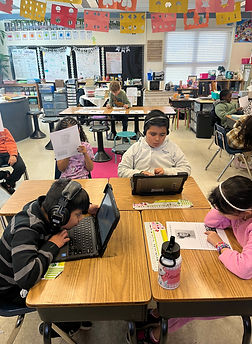
Educational technology encourages student engagement and motivation. Games like Prodigy help students in math and English because they are game-based learning (Game, (n.d.). Teachers can differentiate instruction and help students enjoy learning. Teachers can assign specific math skills to support students (Game, (n.d.). Teachers can view progress and comprehension reports. Prodigy can be given as homework for students to continue learning at home (Game, (n.d.).
Other educational technology apps and websites that promote engagement and motivation include IXL, which personalized learning from grades k-12 curriculum in math, language arts, science, social studies, and Spanish. Epic is a website students can find books to read. Epic offers every reading level and topic, making reading and learning fun. Kahoot engages the class with interactive lessons. Kahoot creates questions, puzzles, polls, and type-answer questions where students can play with each other or in teams. Kahoot can serve as a formative assessment to improve instruction.
My Philosophy
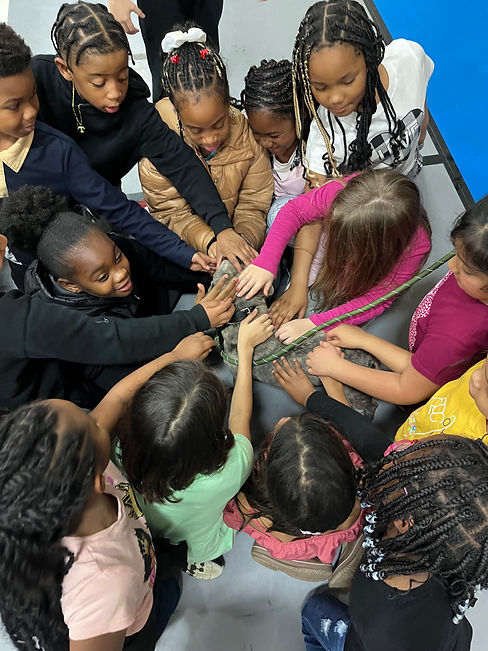
As an educator, it is vital always to demonstrate professionalism and show respect for colleagues, students, families, and property. Professionalism reflects respecting each student's dignity, worth, and uniqueness and the student's age, gender, culture, setting, and socioeconomic context. Every student has strengths and needs, which means advocating for equitable educational opportunities and participating in professional learning communities. Most importantly, it is vital for students to feel loved, safe, and respected to be successful learners. Students need to feel they belong in the classroom and believe they can learn. Students will be in control of their learning. Students need active and collaborative opportunities and engaging activities to motivate them to be successful lifelong learners. It is also vital to work and establishes a relationship with parents to support their children's academic growth because children learn best when parents and other family members, and community members work together to encourage and support them.
Classroom Mangement
A classroom management plan starts with a designed classroom layout that facilitates instructional activities and promotes a safe environment for students to learn. Students need an organization that guides students where things go. Labeling things around the classroom lets students know where things go. Harry Wong's Effective Classroom model is an element that I will incorporate into my future classroom because it focuses on routines and procedures and being consistent. Wong stresses the importance of good classroom management that reflects routine and procedures. Through routine and procedures, students will know where to put their belongings and complete classroom work and homework. Students need morning and end-of-day procedures to stay on track. Students need a daily schedule posted in the classroom to keep track of procedures and rules (Cointervention, (n.d.). Classroom rules assist students in respecting others and ensure a safe environment for learning. The rule maintains order and discipline in the classroom. Win-win discipline resonates with my teaching style because the teacher teams up with students to help students learn more responsible ways to meet their needs. Implementing PBIS and Character Counts in the classroom improves disruption and behavioral and academic outcomes through preventative and responsive practices. Teaching expectations and explicit instruction to guide SEB and academic skills promote self-motivation and create opportunities for positive social interaction.
